
Field Notes
Satis Gardens — Observations of the natural world
Showcasing habitat restoration and nurtuing the potager garden. Veg trials, coaxing pigment from natural sources and making useful things around the cottage
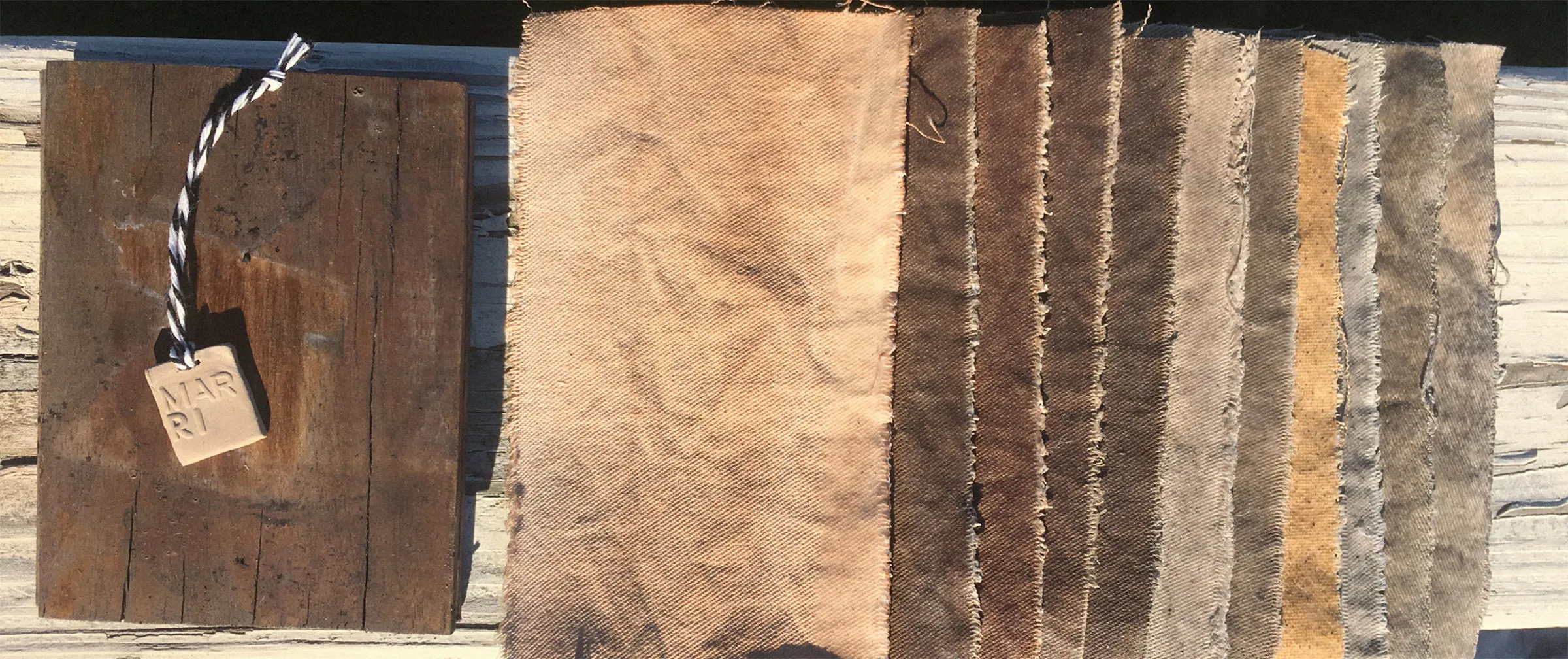
Natural dyeing
[ A fiend with a pair of snippers and a dye pot ]
Flavonols
Scroll
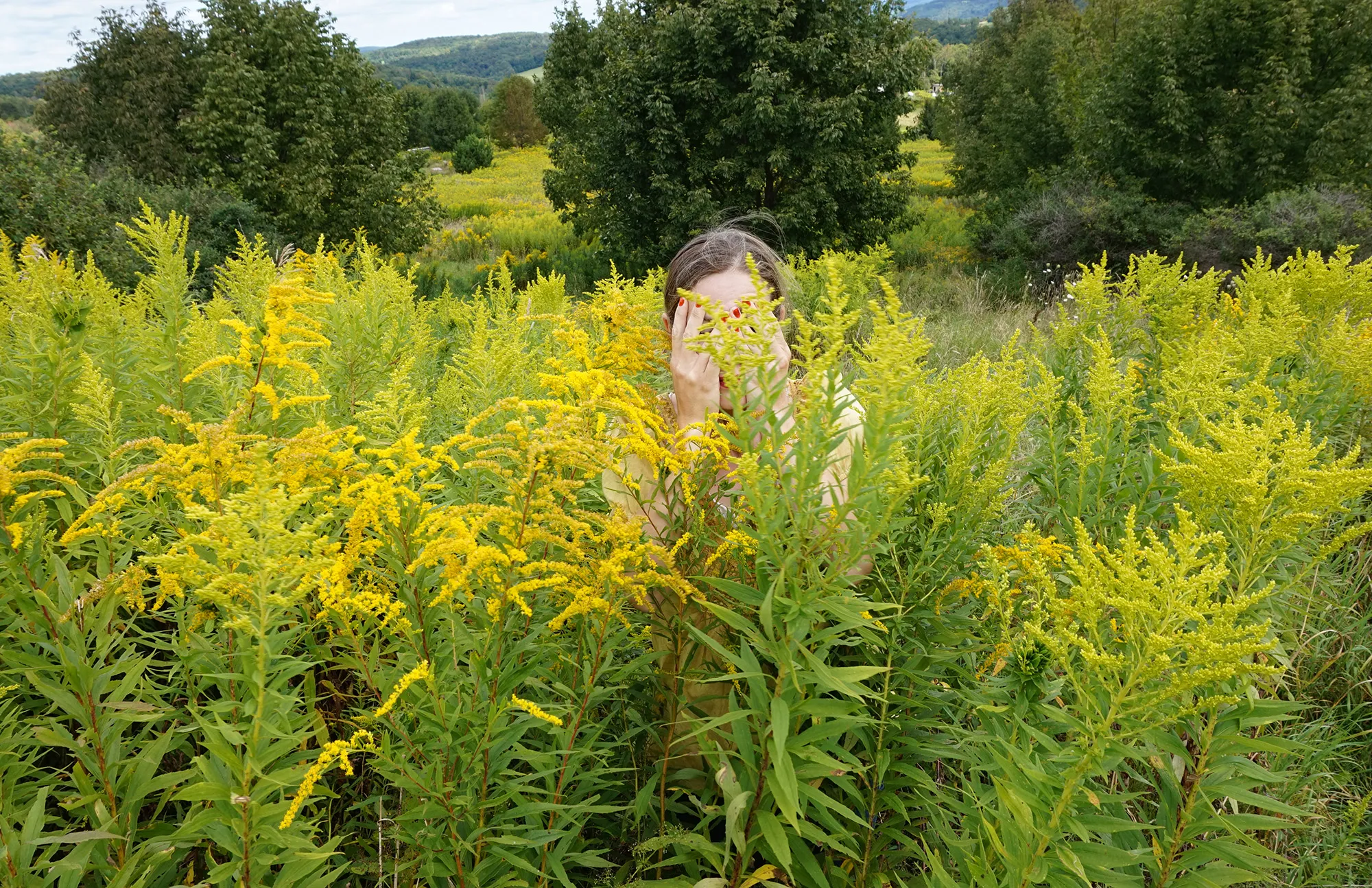
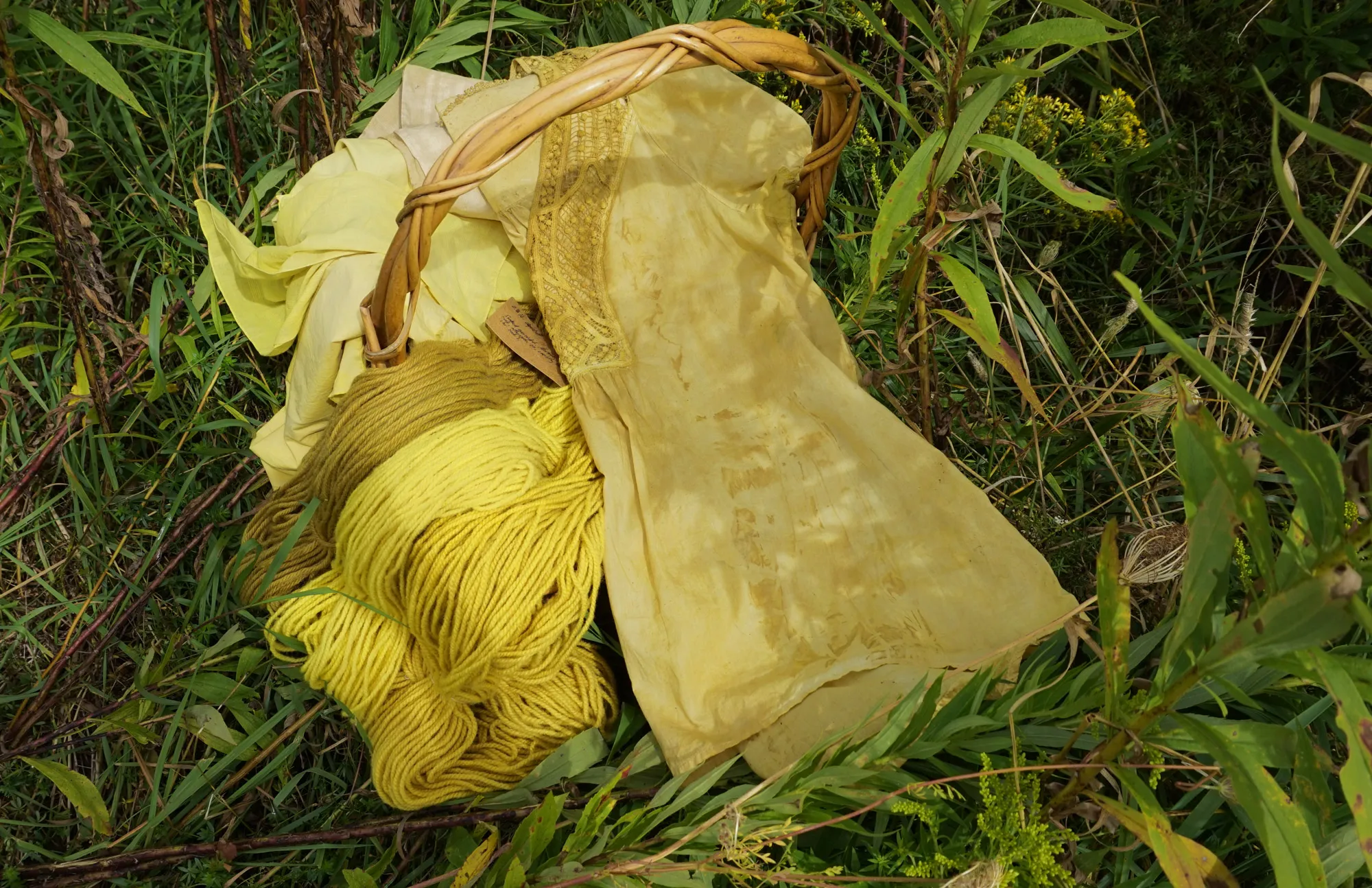
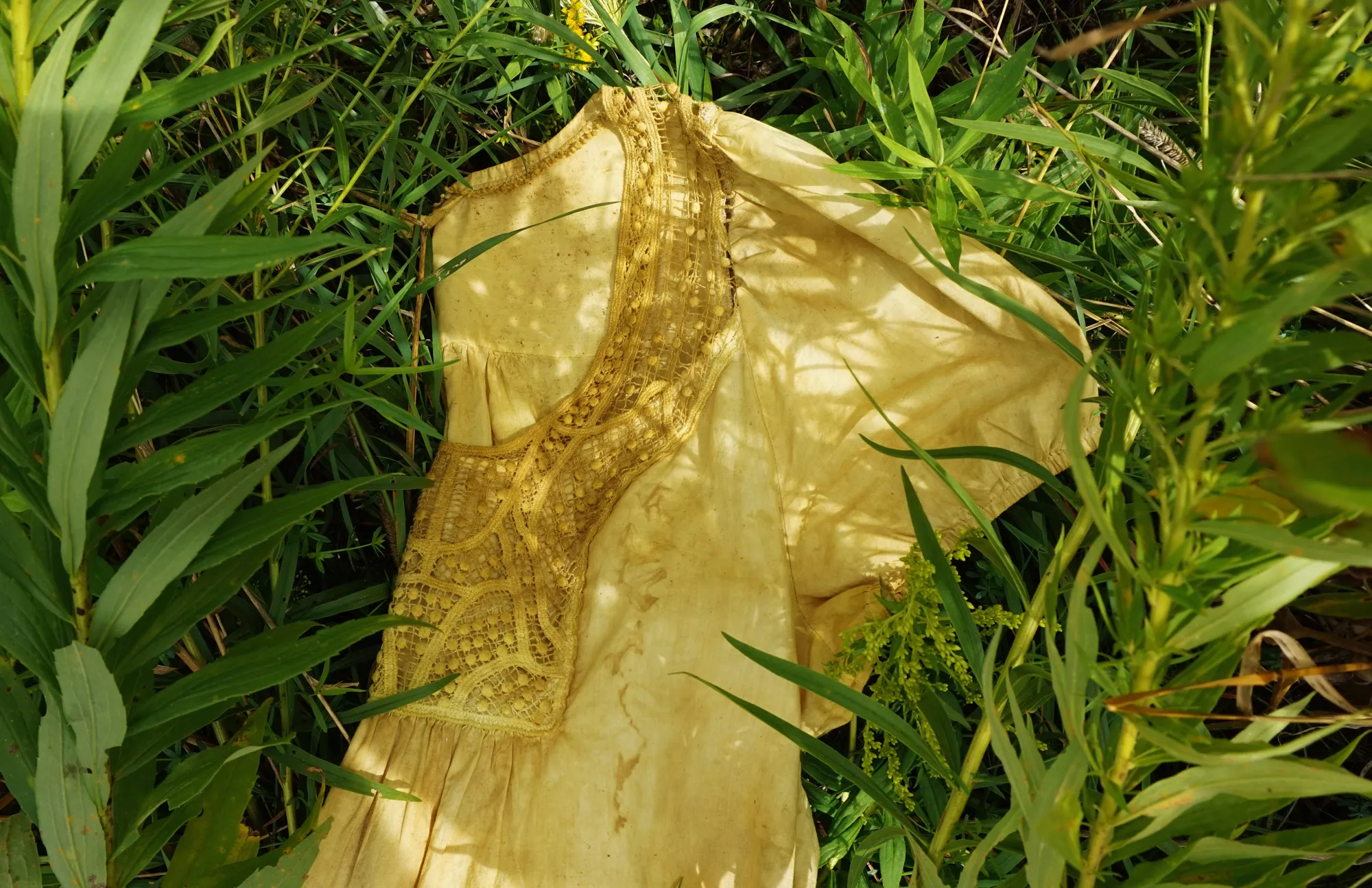
Solidago (Goldenrod)
When days become shorter, best thing for it — games of hide and seek before the sun goes down
A constant giver in the dye pot. A nice little sidegig for salads and pastas. And used on silk…oh but a dream
Anthocyanins
Scroll
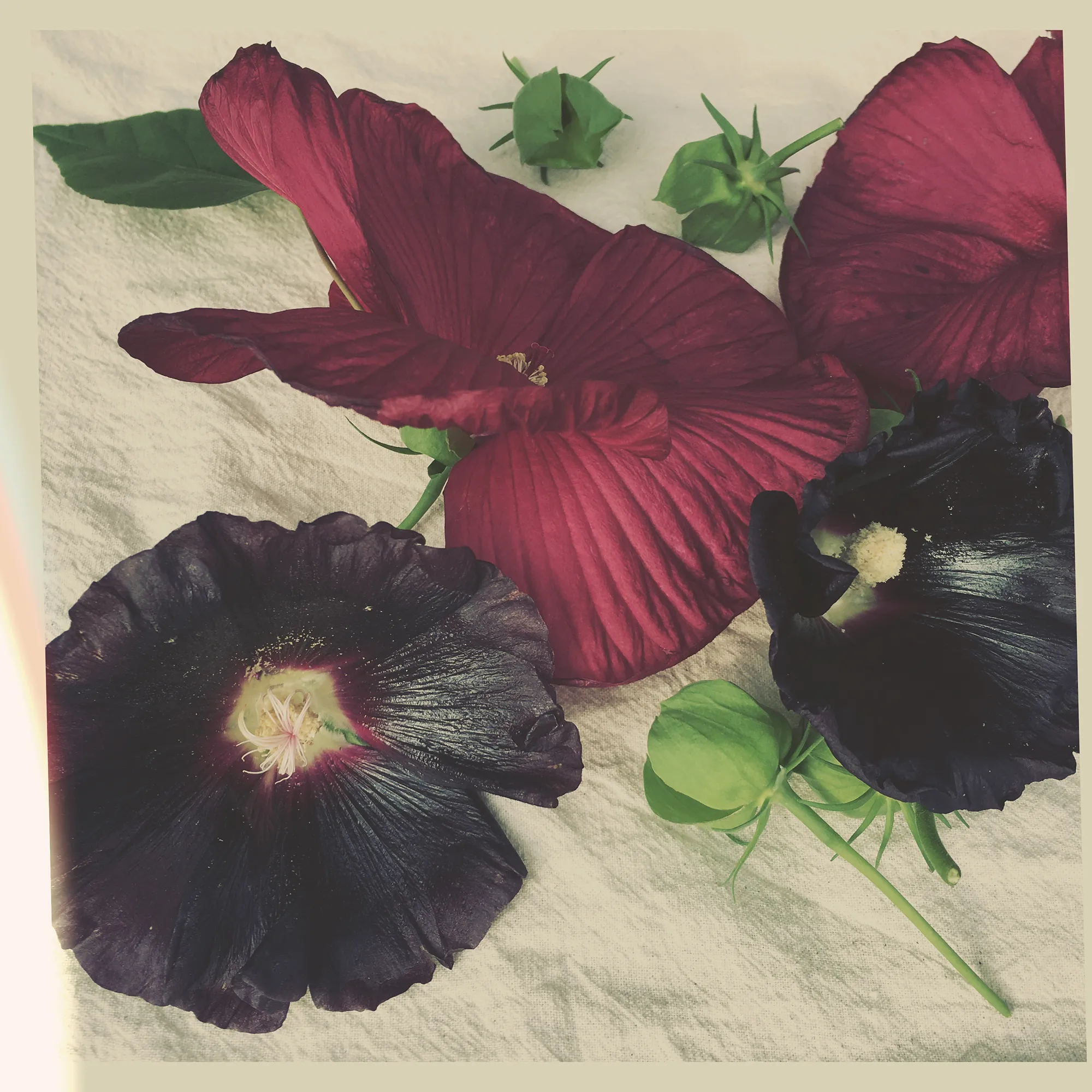
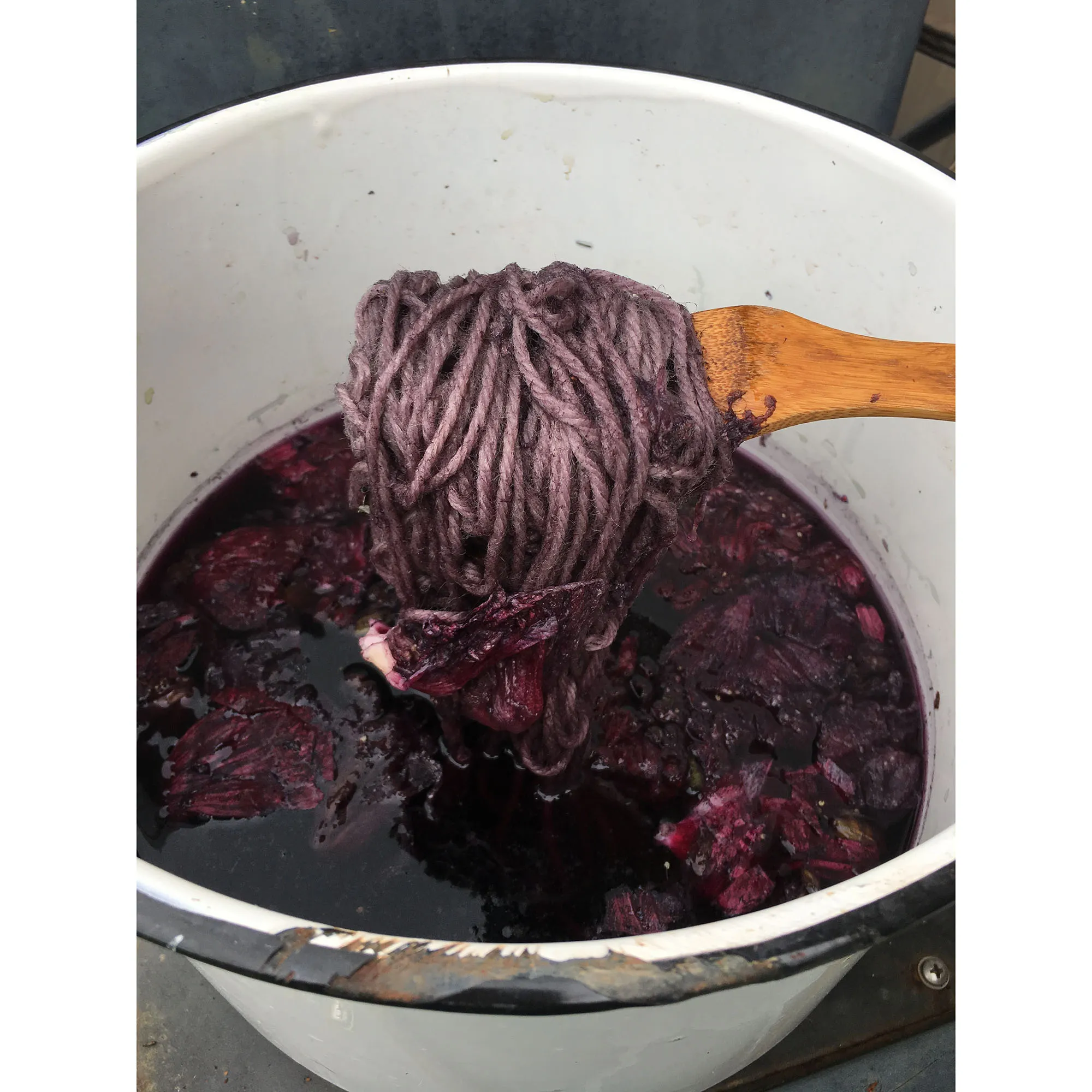
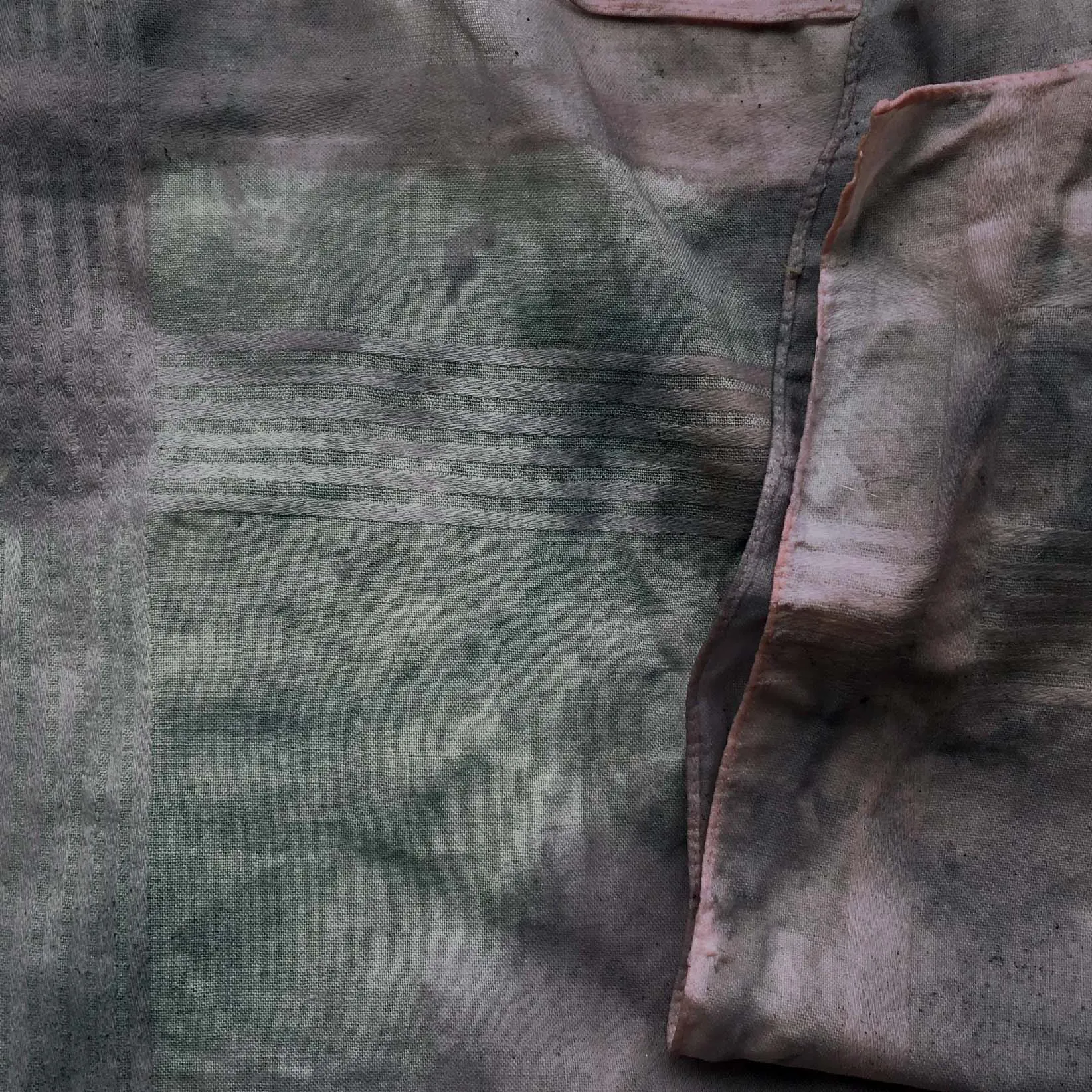
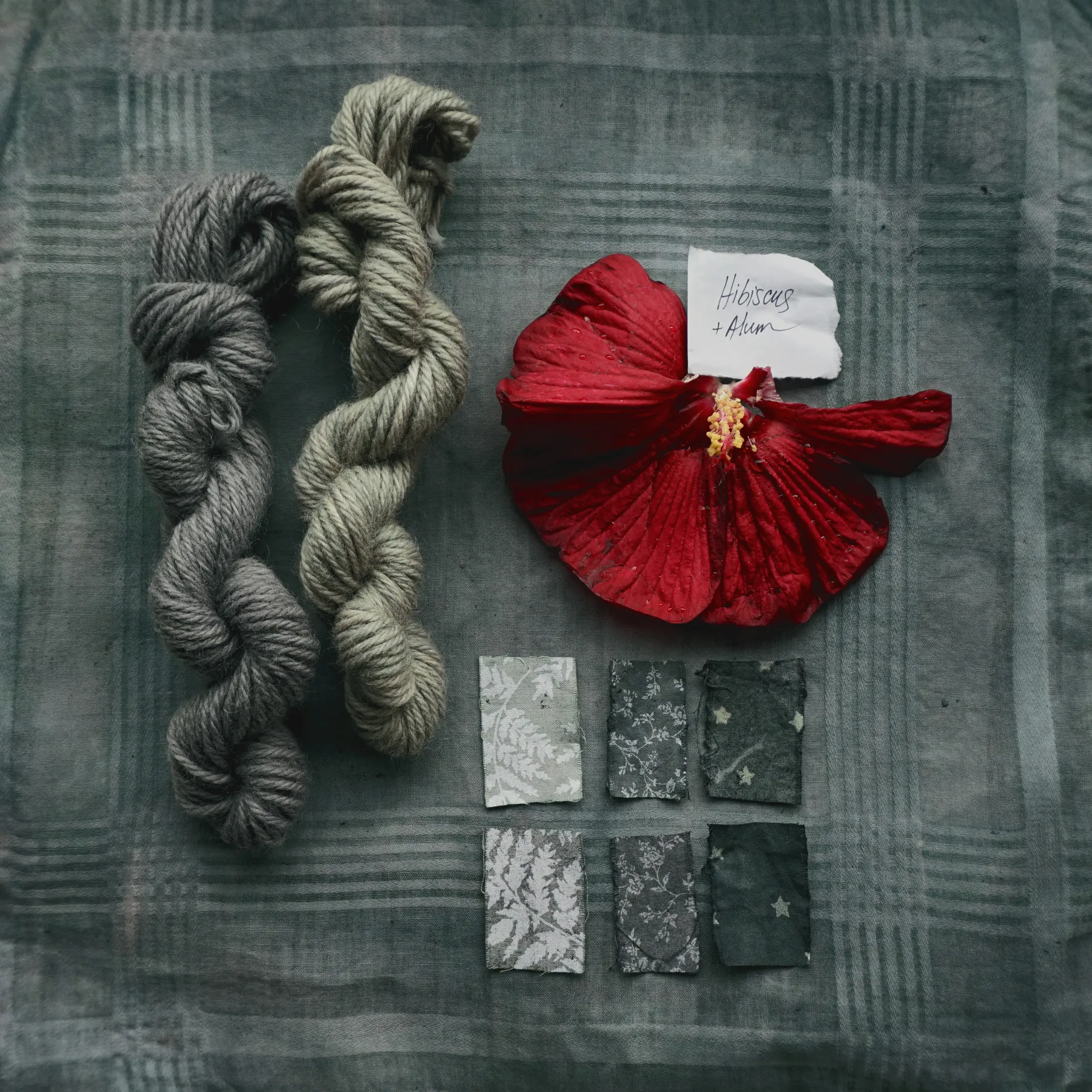
Hibiscus rosa-sinensis (Hibiscus) & Alcea rosea nigra (Black Hollyhock)
Neither are stable dyes longterm, but flower profusely. It allows testing with anthocynanins which are heat-sensitive (and a bit tricky). They support polinators, particularly bumblebees that love this plant and aren't considered invasive in North America that displace natives
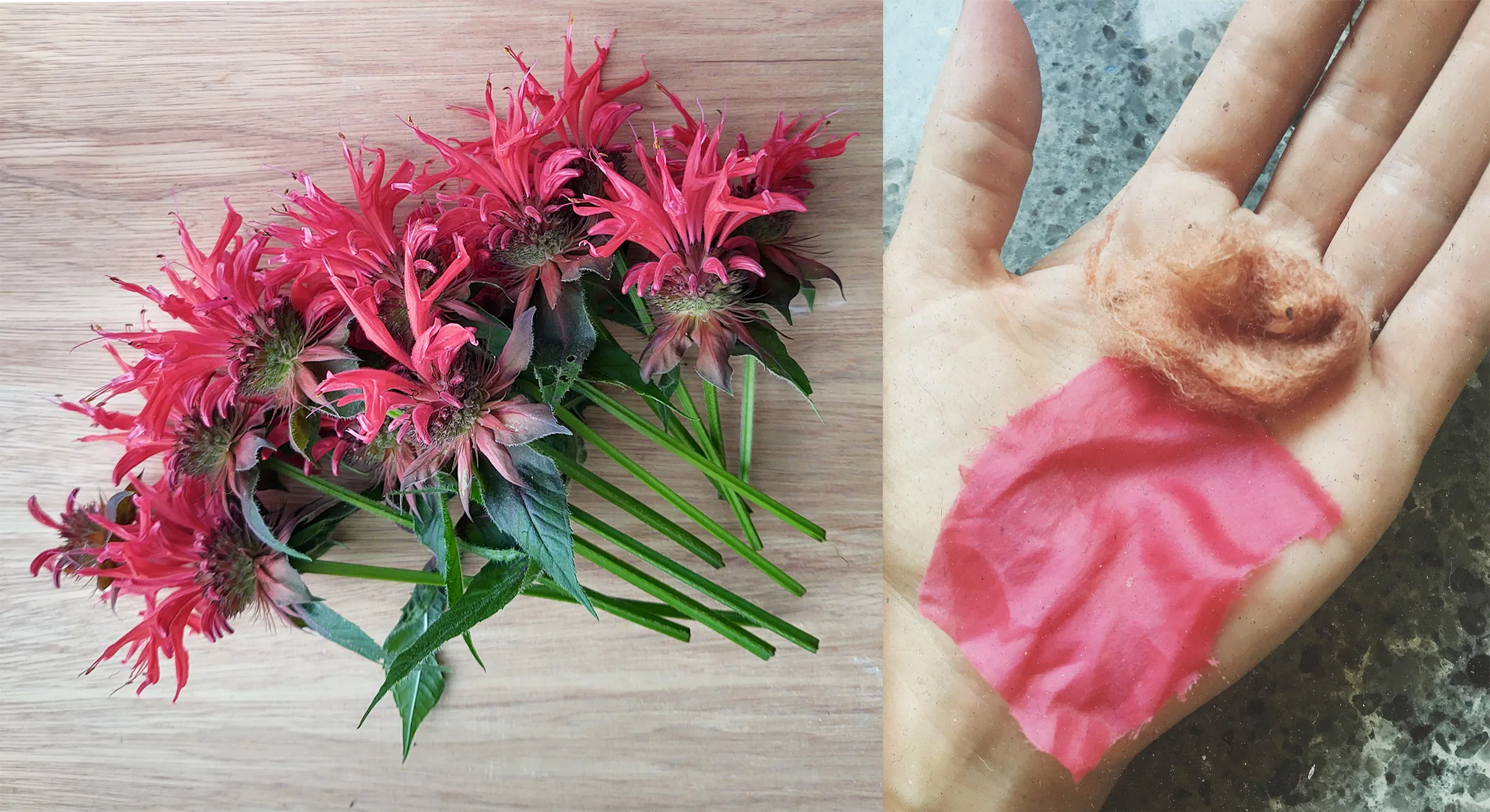
Monarda spp. (Beebalm)
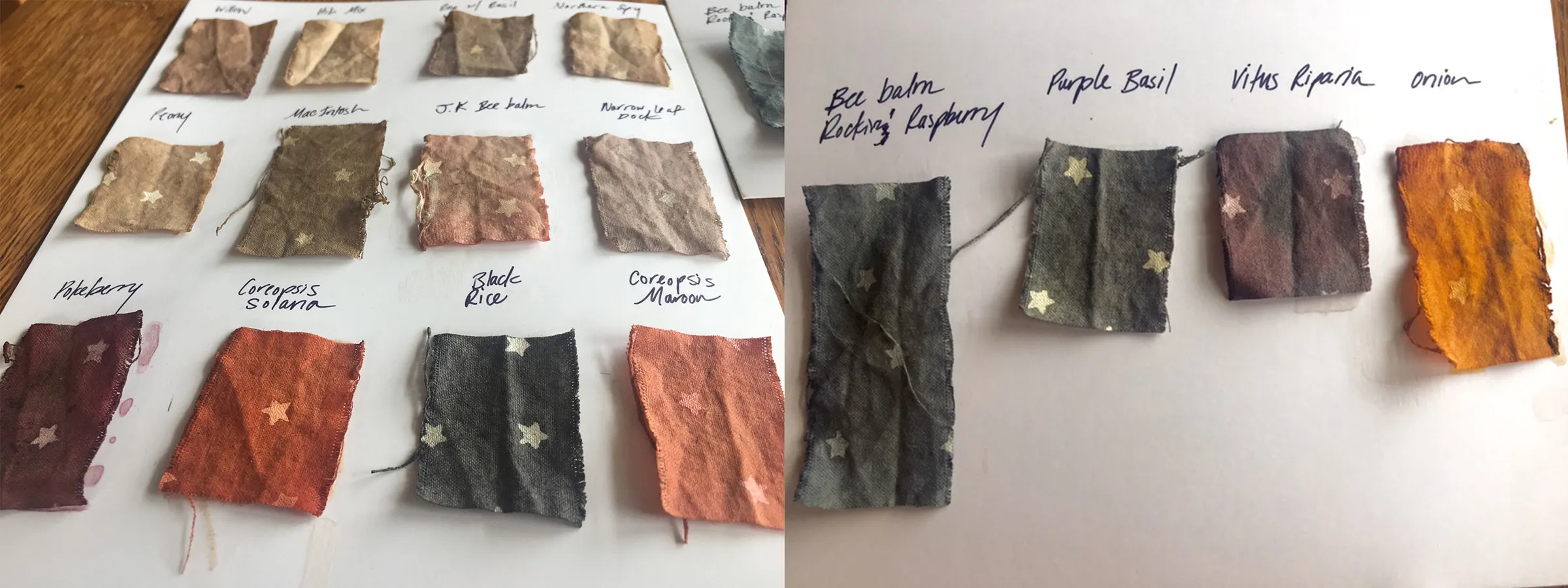
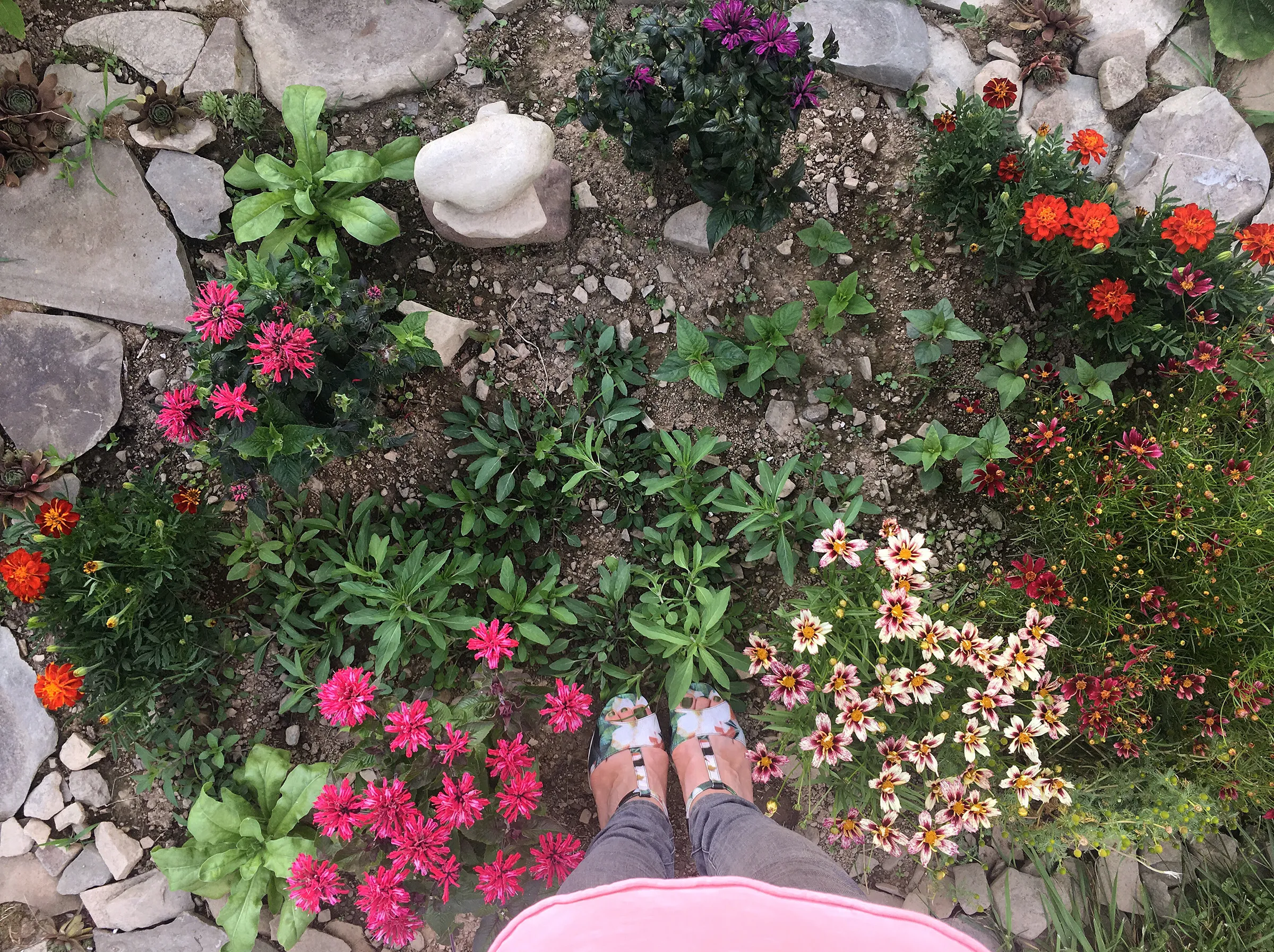
Beebalm can produce different colors from cultivated species. Unfortunately after a hard drive crash, some of these trials were lost. This is a good example of a WYSIWYG color. In this case, this showy, not native ornamental called Pardon My Pink produced...well, pink. Jacob Cline produces a nice red and Rockin' Raspberry produces more in the range of fushia. The dyepot smells beautiful during extraction, even when attempting to ferment a bit. It worked very well on silk but yielded weak results on wool and cotton. Since this plants has been harvested for many years with no time to follow up on these trials, it's probably time to get back to it.
(Below with iron as post-mordant)
Note: JK Beebalm was supposed to be Jacob Cline "c". While the scarlet flowers can't be seen in the bed below, Jacob Cline is the green, broad leaf beebalm just below the fushia color (Rockin' Raspberry) with Pardon My Pink to the left of feet and also at 10:00 position. This was one of the dye plots from 2016, long before I dug into the importance of native plants. As long as dye plants aren't invasive or can't escape, they can live harmoniously with the native plants. It's no different than the potager garden. Cultivars typically do not spread as aggressively and certainly manageable and despite the claim of more mildew resistance, I have not seen any noticeable difference. They all seem to succumb to it.
Freshly dug, mature gallium spp.
HydroxyanthraquinoneAlizarin & Purpurin
Scroll
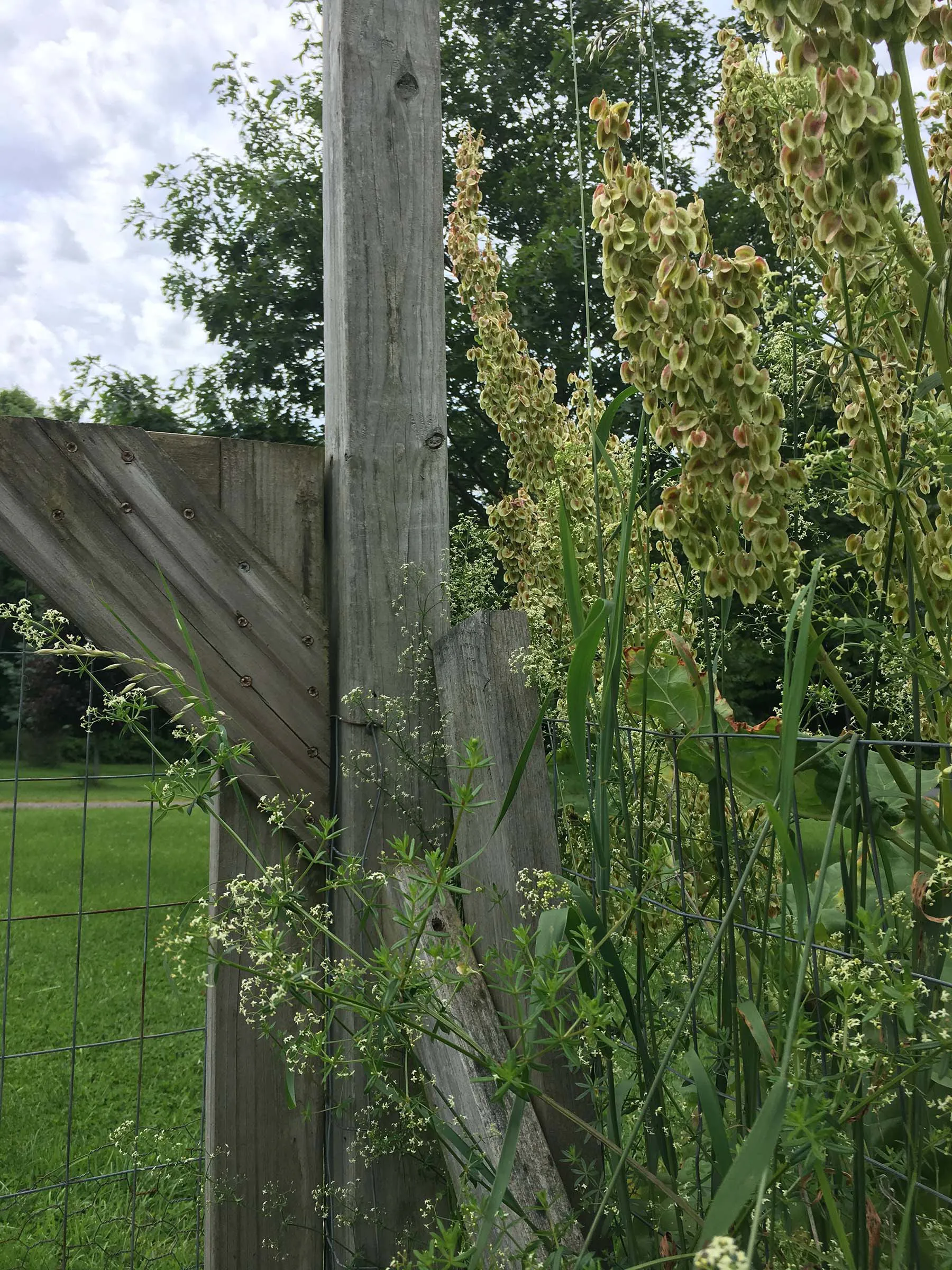
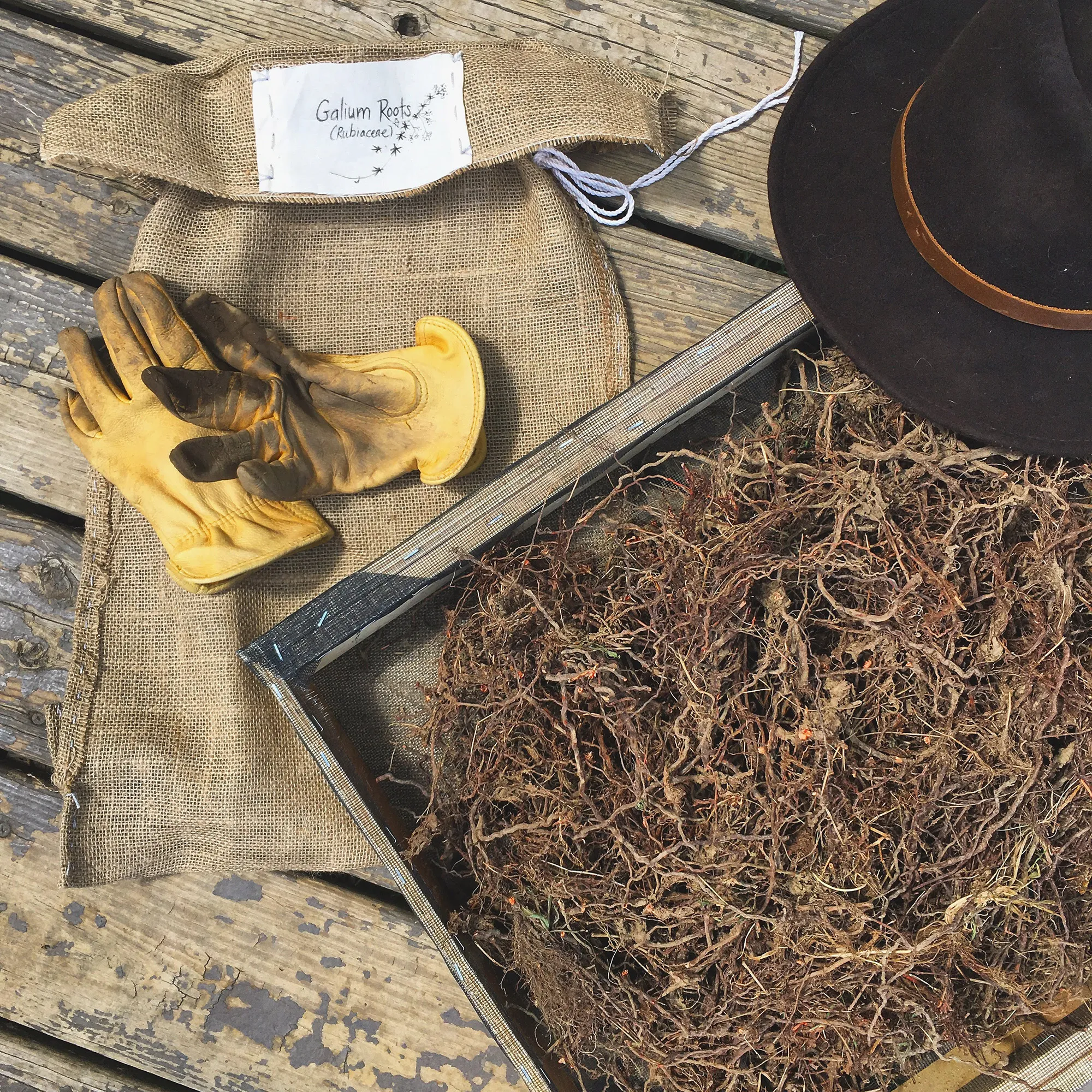
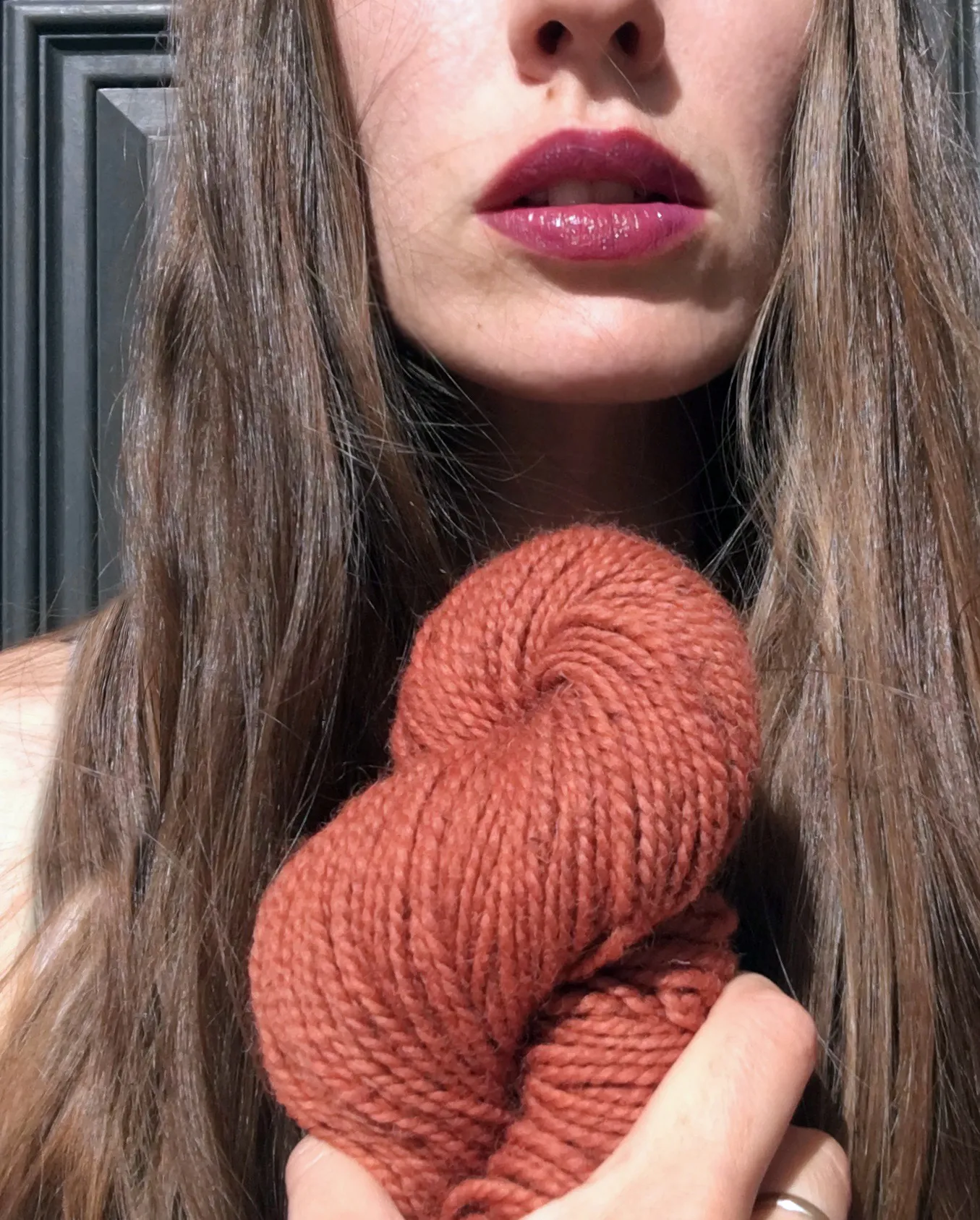
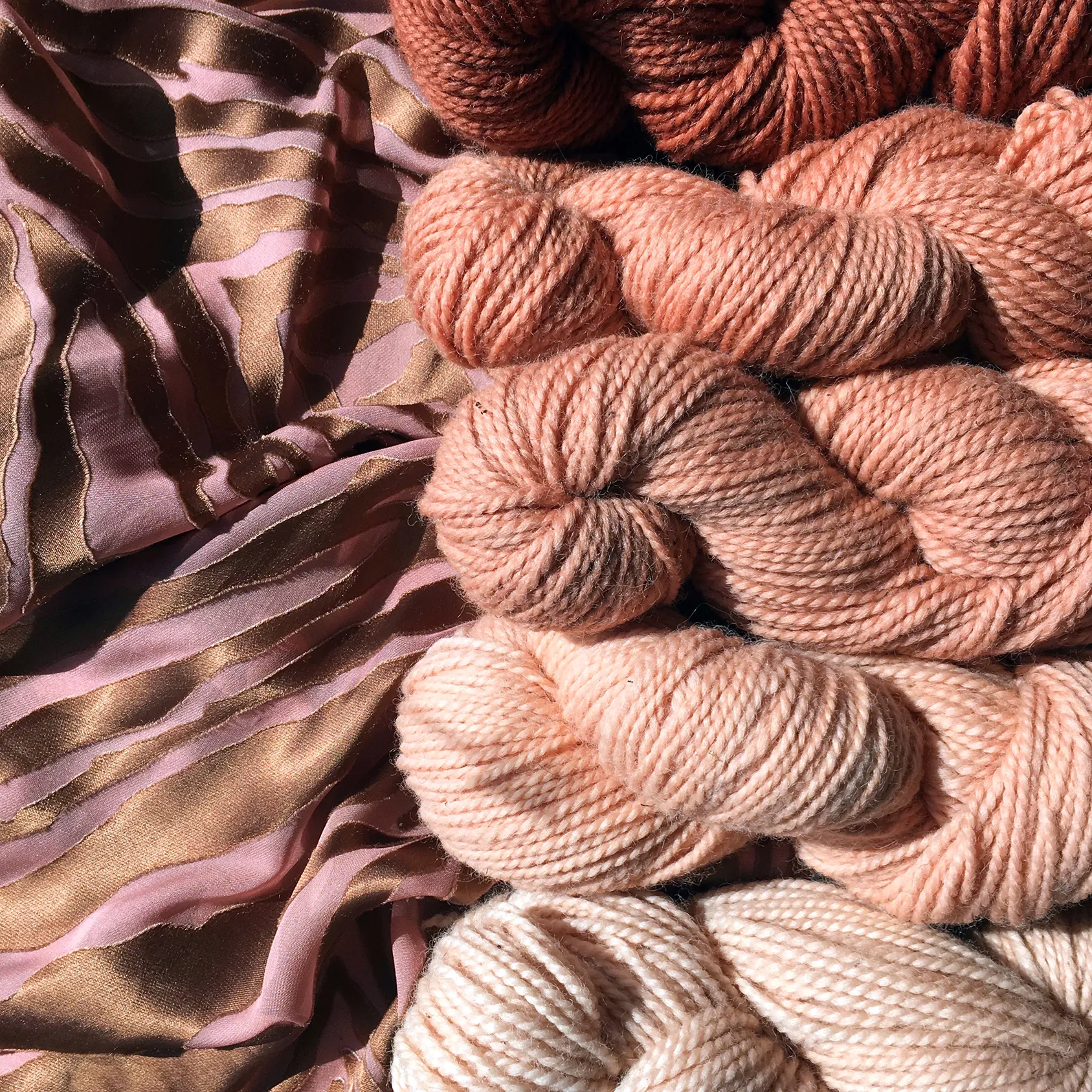
Galium Mollugo (Whorled Bedstraw)
On a matter of scale, bedstraw does indeed require more WOF, but that does not mean you are not able to to create rich, deep color compared to madder. And for it, it is a hard won victory when it happens.
Roots are washed and immediately mascerated with a hammer or mallet to help provide more surface area as you would with any dye matter. Or it can be dried thoroughly, washed or brushing dirt loose and kept simple sewn burlap bags. Like madder, but perhaps more so with bedstraw, pouring off the early extractions releases some of the yellow and browns from the xanthin compound in bedstraw that the roots initially release. This may need to be done 2-4 times while heating. You can use this dye to make a weaker yellow but many plants make yellow and we're after those ruby tones.
My parents seem to have more mature, thicker roots than at Satis Gardens. Finding a patch and saving these little roots are gold when you find them and are easily indentifiable with their bleeding roots of red and orange.
Once the more "ruby" tones start to show in the dye pot, I add some calcium carbonate to bring out more clear reds and then let the pot to sit for several days to allow the roots to break down further. It is well worth the wait, particularly as it is a strong and fast dye and you can continue to use it.
While not heat sensitive per se, it's best to keep temperatures within a reasonable "hot range". In my humble opinion, dyeing both for fiber and for the dyestuff should be kept around 120º at the very most because anything hotter than that will start muddying the color, and historically ancient cultures would have never have reached these temperatures. I prefer to allow long soaks whenever possible and it's a good for the planet to hold off on power when it's not necessary.